
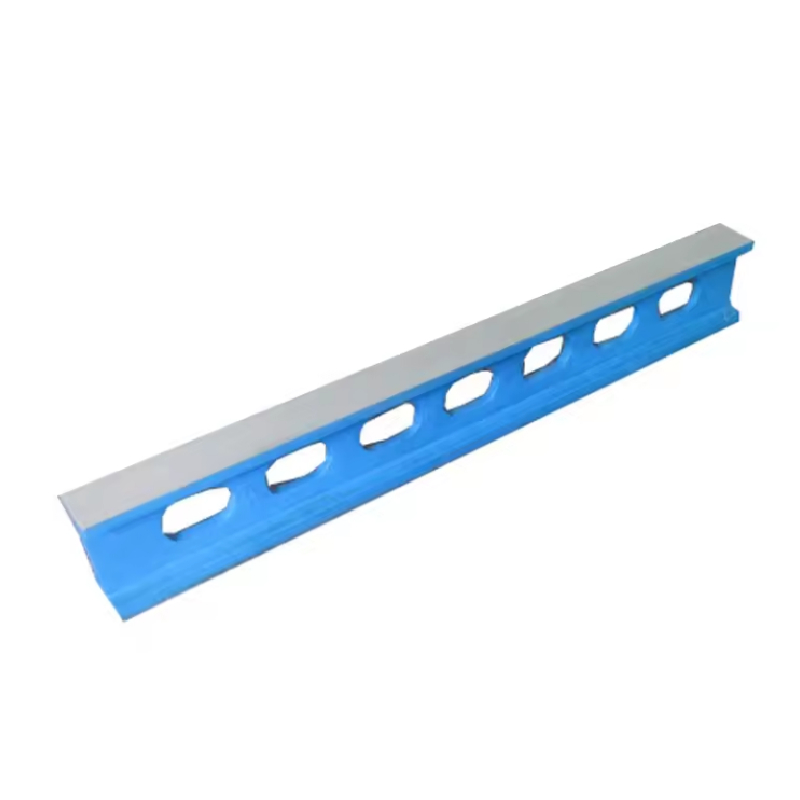
glass mirror edge trim
The Marble Ruler A Unique Tool for Measurement and Creativity In the world of art and design, the tools we use can significantly influence the outcomes of our creative endeavors. Among these tools, something as simple as a ruler can become a source of inspiration and innovation. Enter the marble ruler—a fascinating blend of functionality and aesthetic charm. This unique device not only serves a practical purpose in measurement but also embodies a playful and artistic spirit that captivates the imagination. The Concept of Marble Rulers A marble ruler is typically made from pieces of polished marble, showcasing the natural beauty of the stone while providing a durable and reliable measuring instrument. Marble, known for its elegance and variety, presents an assortment of colors and patterns, making each ruler a unique work of art. Unlike traditional wooden or plastic rulers, a marble ruler is not only a tool but also a statement piece that stands out on any desk or workspace. The concept of a marble ruler extends beyond mere measurement. It embodies the idea of merging utility with beauty. Artists, architects, and designers often seek tools that inspire as much as they facilitate. A marble ruler brings an element of luxury and sophistication into everyday tasks, making the act of measuring feel special. Practical Applications In practical terms, a marble ruler is as functional as any conventional ruler. It typically features a straight edge, allowing for precise lines and accurate measurements. The weight of the marble provides stability, ensuring that the ruler doesn’t slide around during use. This stability is particularly useful when working on detailed drawings or intricate designs. Artists favor marble rulers for their ability to create clean, straight edges while adding a tactile dimension to their work. Architects, too, appreciate the precision it offers . The solid material resists bending and warping, which ensures that whether measuring in centimeters or inches, the results remain accurate. marble ruler Moreover, marble rulers can be customized. Some artisans engrave or paint them, enhancing their aesthetic appeal while retaining functionality. This customization opens the door to personal expression, allowing users to incorporate their style into their workspace. Inspiration and Creativity Beyond practical applications, the mere presence of a marble ruler can inspire creativity. Its beauty can evoke a sense of artistry that encourages individuals to explore their creative potentials. The juxtaposition of a traditional measurement tool made from a luxurious material challenges the notion of what a ruler can be. Using a marble ruler might inspire an artist to create a new series of abstract paintings or motivate a designer to explore new architectural concepts that incorporate natural materials. As creativity often flourishes in environments that inspire, having a piece like a marble ruler can have a profound impact on an individual’s work. Conclusion In conclusion, the marble ruler is more than just a measuring device; it is a reminder of the beauty that can exist in everyday objects. It successfully combines functionality with artistic elegance, proving that even the simplest of tools can fuel creativity and innovation. By introducing a marble ruler into one’s workspace, individuals not only enhance their measurement capabilities but also enrich their creative environment. As we continue to seek inspiration in both our daily tasks and artistic pursuits, the marble ruler serves as a gleaming example of how art and utility can beautifully intersect, encouraging us to measure our ideas in style. Whether you are an artist seeking inspiration or a student gearing up for a project, consider the impact that a marble ruler might have on your work. The next time you reach for a ruler, remember that it doesn’t have to be purely functional; it can also be a source of beauty and creativity in your life.
about
glass mirror edge trim
Understanding Plug Gauges and Ring Gauges Definition, Usage, and Importance In the realm of manufacturing and engineering, precision is paramount. The ability to produce components that meet exact specifications is essential for the functionality and durability of machines and structures. In this context, tooling and measuring instruments play a vital role, and among these, plug gauges and ring gauges are critical tools for quality assurance. What are Plug Gauges? Plug gauges, often referred to as go/no-go gauges, are used to measure the internal diameters of holes, ensuring that they meet specified tolerances. These gauges come in sets, typically including a go gauge and a no-go gauge. The go gauge is designed to fit into the hole if it meets the minimum size requirement, while the no-go gauge should not pass into the hole if it exceeds the maximum allowable size. For example, if a hole is intended to be 10mm in diameter, a 10mm go plug gauge would fit perfectly. Conversely, a 10.1mm no-go plug gauge would not fit, indicating that the hole is too large. This simple yet effective mechanism allows manufacturers to quickly assess whether their products fall within specified tolerances, thus ensuring quality control throughout the production process. What are Ring Gauges? Ring gauges serve a similar purpose but are applied to external features, particularly the external diameters of shafts and similar components. Like plug gauges, ring gauges also come in go and no-go configurations. The go ring gauge must slide over the diameter of the shaft with ease, confirming it meets the minimum size requirement, while the no-go gauge must not fit, signaling an oversized component. An example would be a shaft meant to have a diameter of 20mm. The 20mm go ring gauge should fit snugly, while a 20.1mm no-go ring gauge would fail to pass, indicating that the shaft is out of specification. This dual-format capability of ring gauges facilitates thorough quality checks for precision mechanical components. Importance of Plug and Ring Gauges The importance of plug and ring gauges cannot be overstated in the manufacturing landscape. Their role in ensuring dimensional accuracy is crucial for various reasons 1. Quality Assurance Gauges help manufacturers maintain high standards of precision. This is vital for industries where tolerance levels are critical, such as aerospace, automotive, and medical devices. plug gauge and ring gauge 2. Cost Efficiency Ensuring components are produced within tolerance reduces waste and rework, leading to significant cost savings. Using gauges effectively minimizes the risk of defective parts entering the supply chain. 3. Interchangeability Standardized components are essential for assembly lines where parts must fit together seamlessly. Plug and ring gauges help ensure that parts made by different manufacturers can be interchanged without issues. 4. Compliance and Certification Many industries are subject to regulatory standards that dictate acceptable tolerances for components. Plug and ring gauges help manufacturers demonstrate compliance with these standards, easing the process of certification. Best Practices for Using Plug and Ring Gauges To maximize the effectiveness of plug and ring gauges, manufacturers should adhere to certain best practices - Calibration Regular calibration of gauges ensures their accuracy and reliability. Factors such as wear and environmental changes can affect measurements over time. - Proper Handling Gauges should be handled with care. Avoid dropping or exposing them to harsh environments that could compromise their integrity. - Periodic Inspection Consistent inspection of gauging tools can prevent the use of worn or damaged gauges, thereby maintaining the quality of the products being manufactured. - Training Ensuring that personnel are trained in the proper use of gauges is crucial for effective quality control processes. Conclusion In summary, plug gauges and ring gauges are indispensable tools in the manufacturing sector, helping to ensure that components meet stringent dimensional standards. Their role in quality assurance, cost efficiency, and compatibility across components is crucial in today's precision-driven industries. By adhering to best practices in their use and maintenance, manufacturers can guarantee the accuracy and reliability of their products, thereby upholding their commitment to quality and customer satisfaction.
-

High quality industrial productsagement

High quality industrial products
View Details -

Meet the diverse needs of customers

Meet the diverse needs of customers
View Details -

Strict quality control

Strict quality control
View Details -

Top raw materials

Top raw materials
View Details -

Trusted supplier

Trusted supplier
View Details
Our application


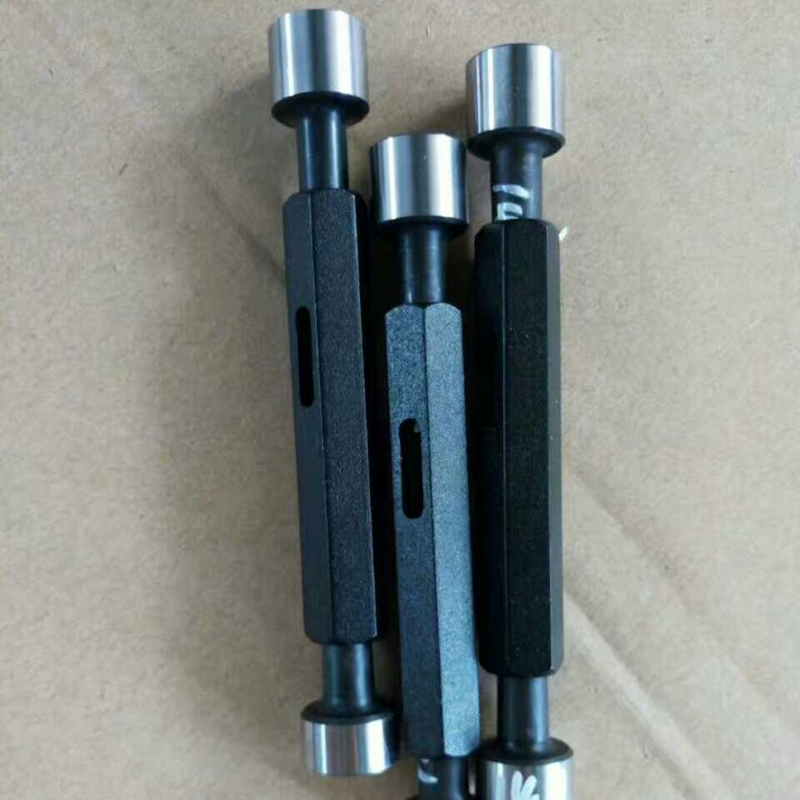
news and information

vertical guide rails
Understanding Vertical Guide Rails A Key Component in Industrial Design Vertical guide rails are cru
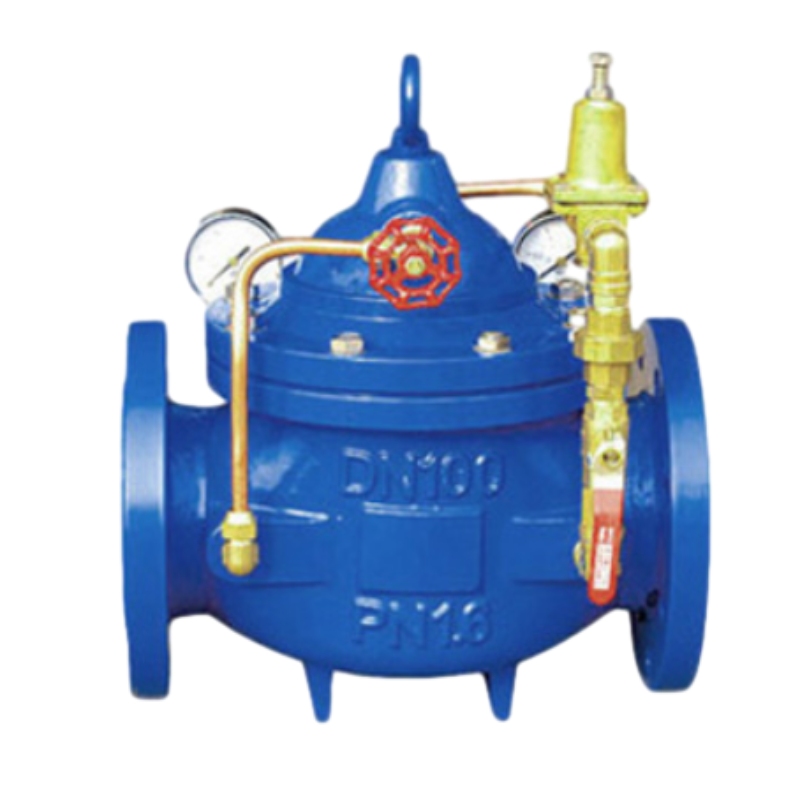
Using a Spirit Level for Accurate Measurements in Construction and DIY Projects
Understanding the Spirit Level A Essential Tool in Precision Measurement The spirit level, an instru
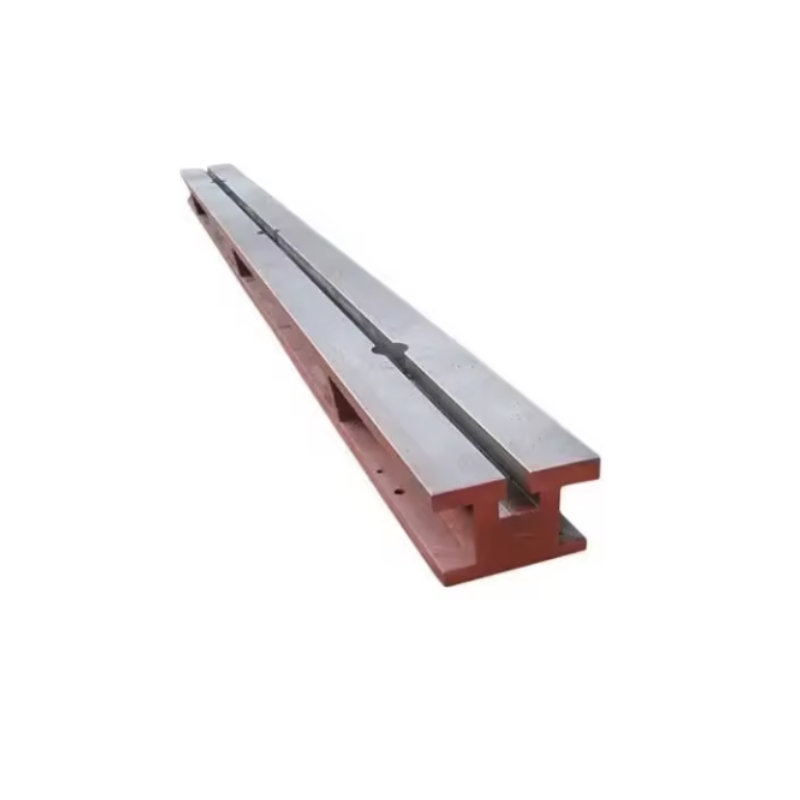
Y-Type Strainer Featuring a Convenient Drain Valve for Efficient Filtration Solutions
Understanding the Y-Type Strainer with Drain Valve Essential for Efficient Fluid Management In vario
 English